How Building a Custom Pool is a Lot Like Building a Custom Home
New Construction Variances
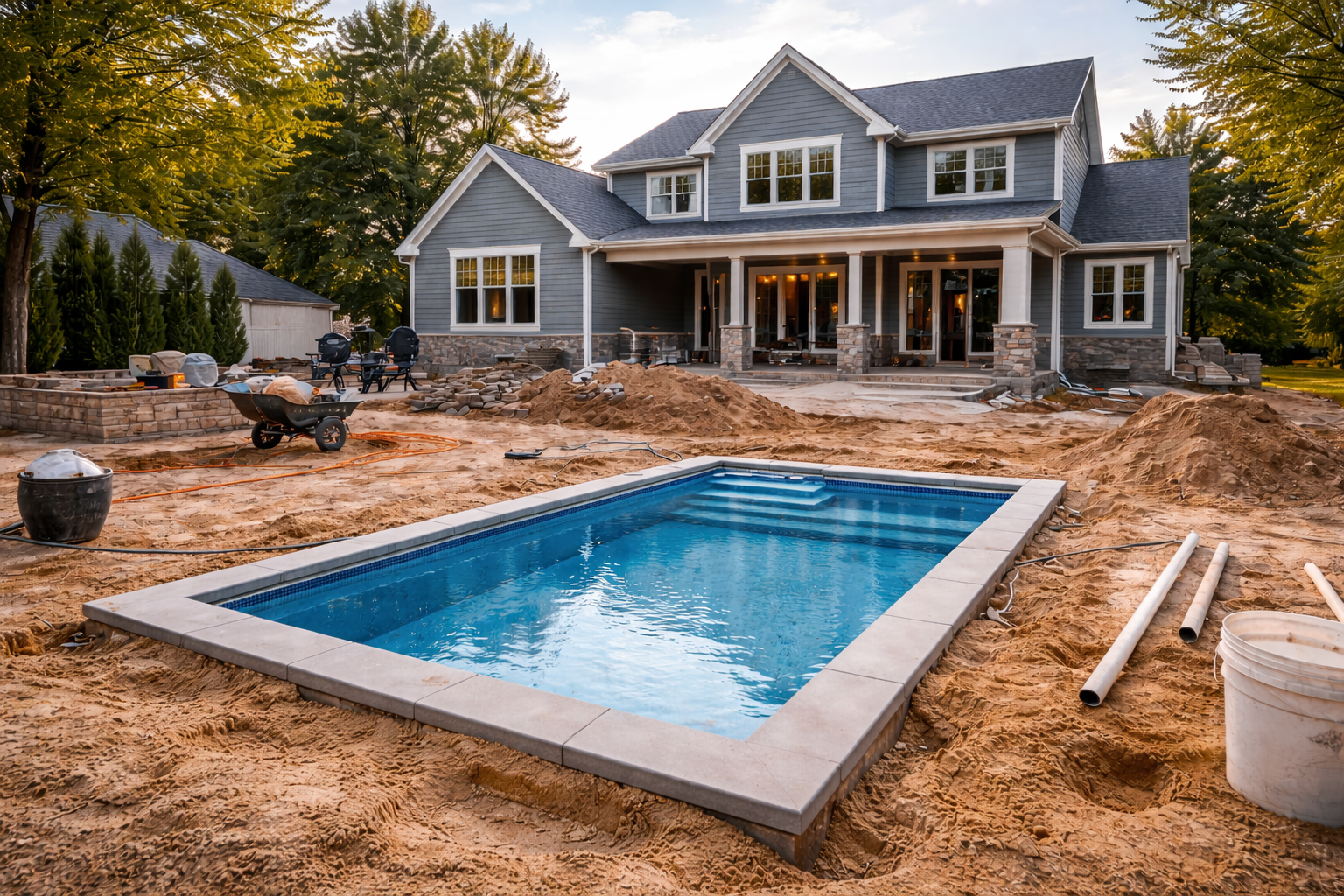
Why Building a Custom Pool Is a Lot Like Building a Custom Home
One of the most common questions we hear is:
“Why can two pools that are the same size have very different prices?”
The best way to understand this is to compare a pool project to building a custom home.
Two homes can have the same square footage and similar layouts, yet end up with very different final prices, quality levels, and long-term value. The same is absolutely true with custom swimming pools.
Square Footage Is Just the Starting Point
When building a home, square footage gives you a baseline—but it doesn’t tell you anything about:
Structural materials
Mechanical systems
Finish quality
Builder standards
A pool works the same way.
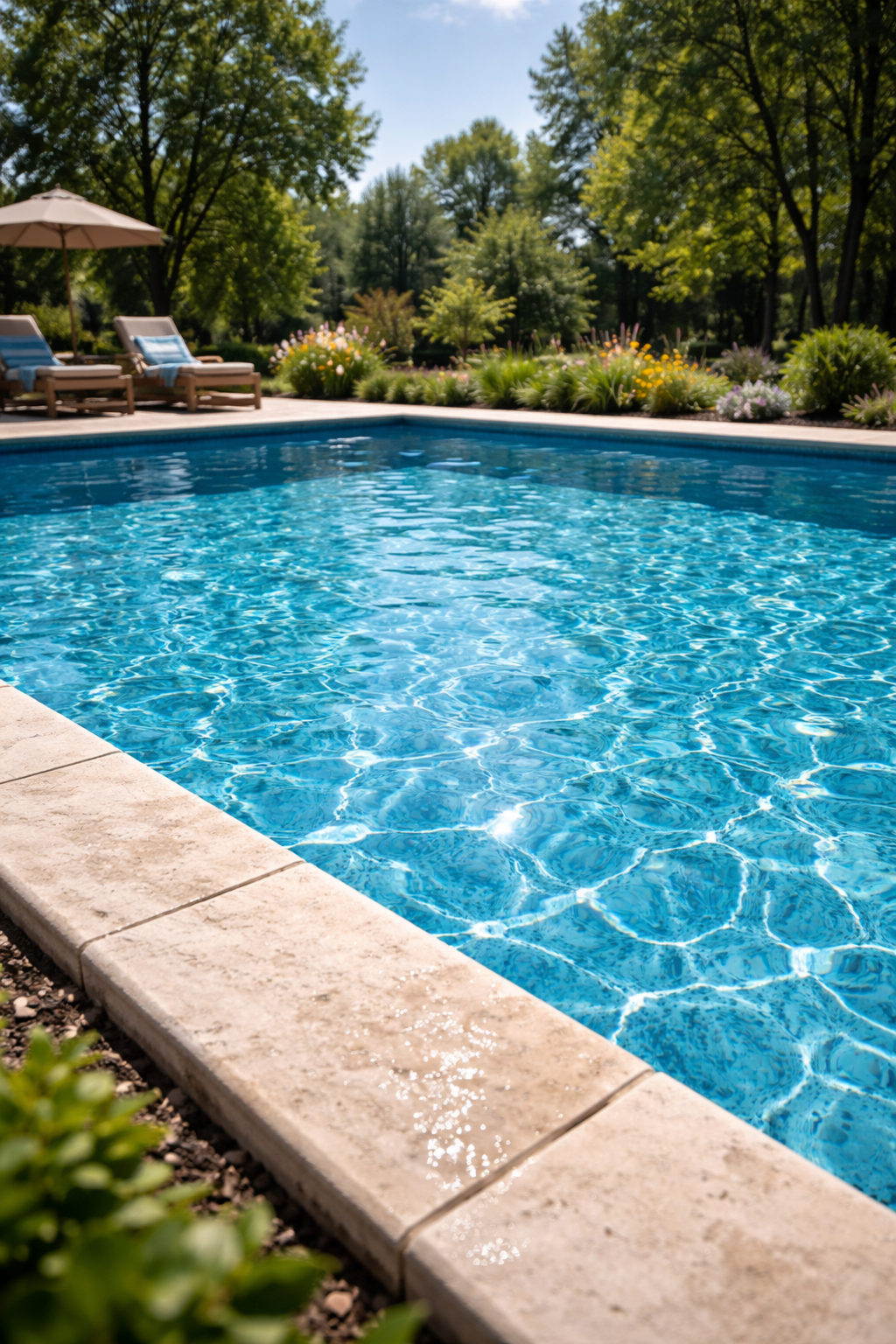
A 16’ × 32’ pool is only a footprint. What matters most is how it’s built, what it’s built with, and what’s buried underground.
Material Quality: Not All Steel or Fiberglass Is Equal
This is where pool construction mirrors home framing and foundations.
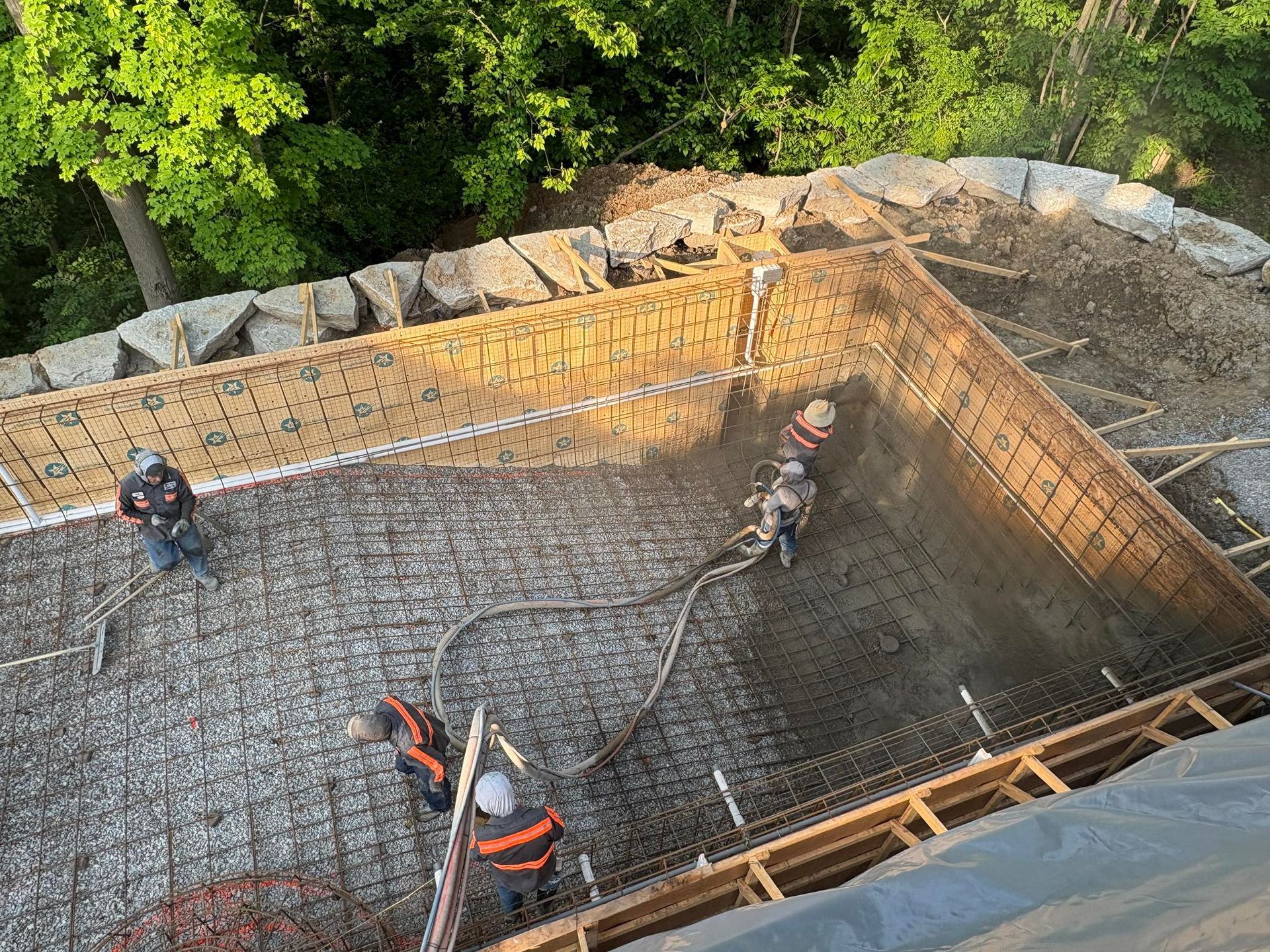
Steel & Structural Reinforcement
Some builders use lighter-gauge steel or minimal reinforcement to reduce cost. Others use heavier steel schedules, better spacing, and more robust engineering.
On paper, both pools may look identical. In reality, the long-term structural integrity can be very different.
Fiberglass Pool Shells
The same concept applies to fiberglass pools.
Some manufacturers offer thin shells with limited warranties
Others engineer thicker, multi-layer shells and back them with lifetime structural warranties
That warranty difference matters. It reflects confidence in materials, manufacturing process, and long-term performance—not just marketing.
Warranties Tell You a Lot About Build Quality
In home construction, strong warranties usually signal higher-quality materials and better construction practices. Pools are no different.
Short vs Lifetime Warranties
Many pool builders install:
Steel or fiberglass components with short, limited warranties
Products that shift responsibility back to the homeowner after only a few years
Other manufacturers—and builders who choose them—offer:
Lifetime structural warranties on steel or fiberglass
Long-term coverage that protects homeowners well beyond installation
While lifetime-warranty products often cost more upfront, they typically deliver better long-term value and peace of mind.
Underground Plumbing: The Part You’ll Never See (Until It Fails)
This is one of the biggest differences between entry-level and high-quality pool builds.
Minimal Plumbing vs Redundant Systems
Some builders:
Use the bare minimum plumbing
Run fewer lines to save labor and material cost
Skip redundancy entirely
Others design pools with:
Redundant plumbing lines
Larger-diameter pipe for better flow
Dedicated lines for skimmers, drains, and features
Thoughtful layouts that improve circulation and serviceability
Just like electrical or plumbing systems in a house, this infrastructure affects performance, reliability, and future repair options.
When plumbing is buried correctly the first time, it often never needs to be touched again. When it isn’t, repairs can be disruptive and expensive.
Systems Matter Just Like Mechanical Systems in a Home
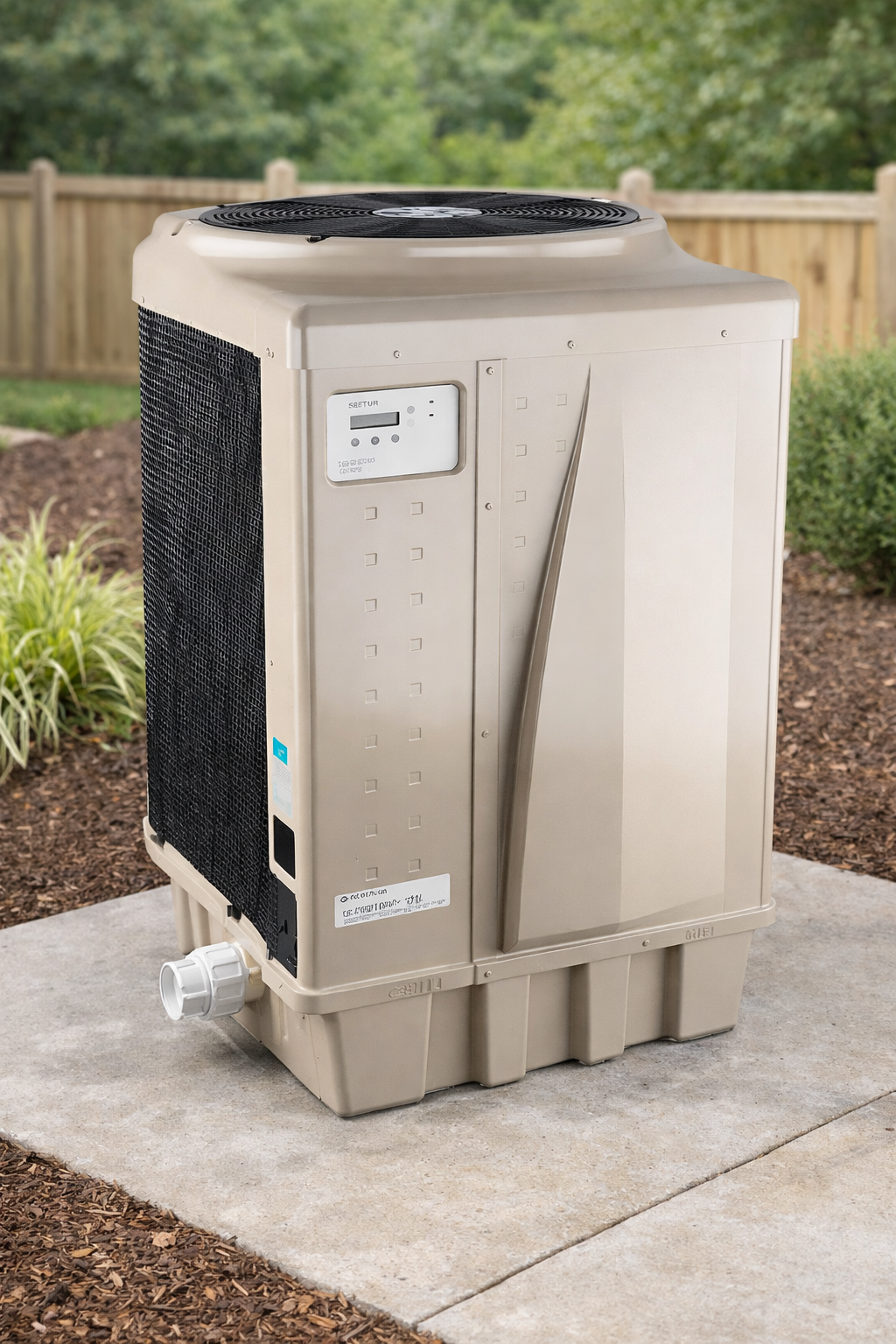
In a house, no one expects a budget HVAC system to perform like a premium one. Pools are no different.
Equipment choices impact:
Energy efficiency
Ease of maintenance
Longevity
Automation and control options
Two pools of the same size can perform very differently depending on the quality of pumps, filters, heaters, and controls installed.
Customization Adds Complexity—and Value
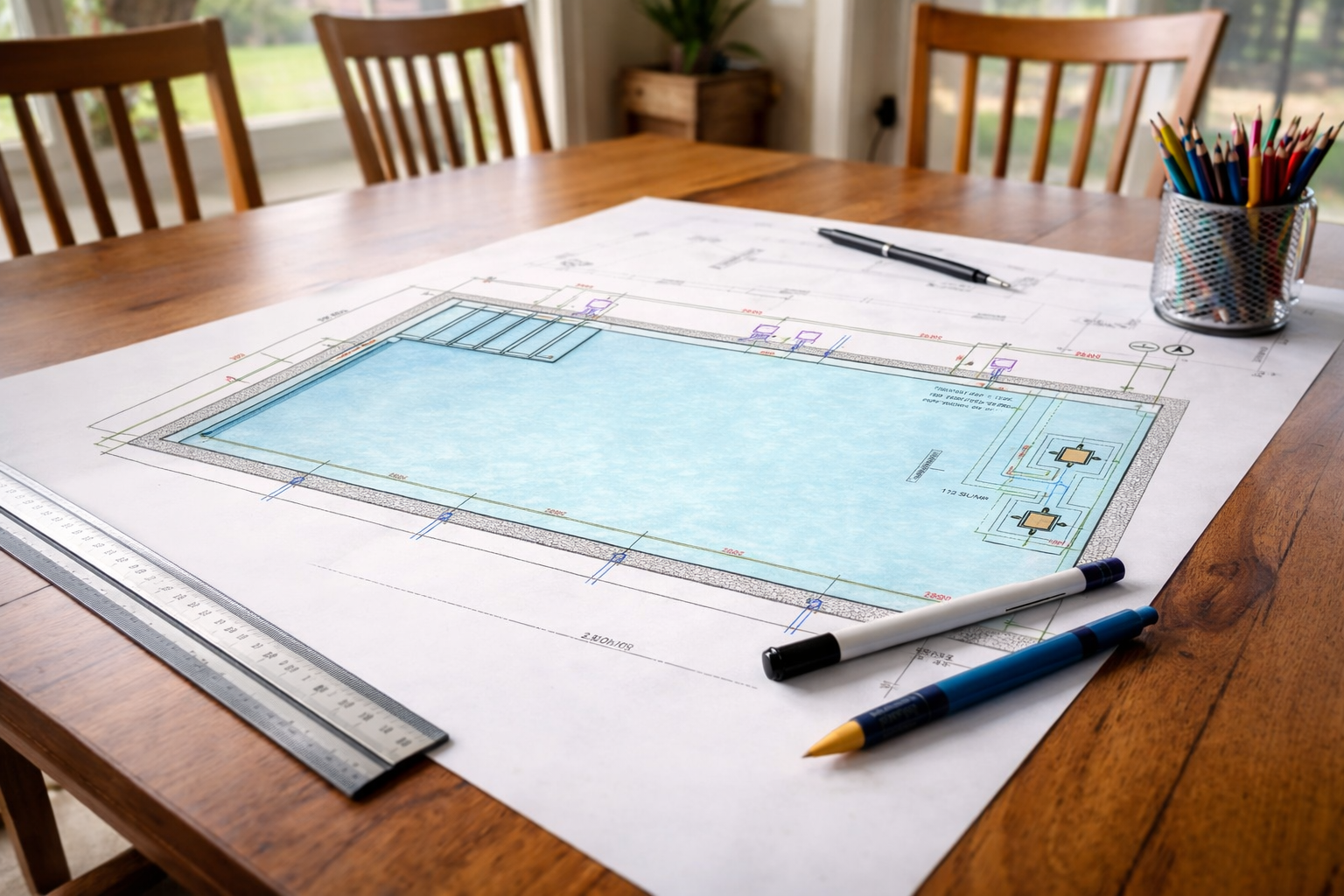
Just like a custom home, pools become more complex as they become more personalized.
Features that change pricing include:
Depth transitions
Tanning ledges and built-in seating
Water features and lighting
Decking materials and layout
Integration with patios, kitchens, and fire features
Each choice adds value—but also requires proper engineering and execution.
The Builder’s Standards Matter More Than the Blueprint
Two homes built from the same plans can feel completely different depending on the builder. The same is true with pools.
A builder’s standards determine:
Material selection
Structural reinforcement
Plumbing layout
Equipment quality
Attention to long-term performance
This is why comparing pool quotes line by line is often misleading. The real differences are usually hidden beneath the surface.
Final Thoughts
Building a custom pool is not a commodity purchase—it’s a construction project, much like building a custom home.
Square footage may be the same, but:
Material quality
Warranty protection
Plumbing design
System choices
Craftsmanship
…can dramatically change the final cost, performance, and long-term value.
Understanding these differences helps homeowners make better comparisons—and ultimately choose a pool that performs as well years down the road as it does on day one.