
Pool Maintenance, hire the pros or DIY…
Josh Richey • February 3, 2024
Deciding between hiring professional pool maintenance services and doing it yourself (DIY) depends on various factors, including your level of expertise, available time, and budget. Both options have their advantages, but here are some key benefits of each to help you determine when it makes more sense to hire a professional:
Benefits of Hiring Professional Pool Maintenance:
1. Expertise and Experience: Pool maintenance professionals are trained and experienced in maintaining pools. They have the knowledge and skills to diagnose and address issues effectively, ensuring your pool operates optimally.
2. Time Savings: Pool maintenance can be time-consuming, especially if you're not familiar with all the tasks involved. Hiring professionals allows you to save time and enjoy your pool without the hassle of routine upkeep.
3. Regular Maintenance: Professionals follow a schedule to ensure that your pool receives consistent, routine maintenance. This prevents problems from escalating and reduces the risk of costly repairs.
4. Quality Equipment and Products: Pool maintenance companies typically have access to high-quality pool equipment and chemicals. They can choose the right products and tools to keep your pool in top condition.
5. Troubleshooting and Repairs: If any issues arise, pool professionals can quickly identify and fix them. This can prevent minor problems from becoming major and expensive repairs.
6. Water Chemistry Management: Maintaining proper water chemistry is crucial for the safety and comfort of swimmers. Professionals are skilled at balancing pH levels, chlorine, and other chemicals to keep the water clean and safe.
7. Compliance with Regulations: Some municipalities have specific regulations regarding pool maintenance and water quality. Hiring professionals ensures that you meet these requirements.
8. Liability Coverage: Reputable pool maintenance companies typically carry insurance, which can protect you in case of accidents or damage that occurs during maintenance.
When It Makes Sense to Hire a Professional:
1. Lack of Expertise: If you're not confident in your ability to maintain a pool properly or troubleshoot issues, hiring a professional is a wise choice.
2. Limited Time: If you have a busy schedule and cannot dedicate sufficient time to pool maintenance, hiring professionals ensures your pool remains in good condition.
3. Complex Pool Systems: Pools with intricate features like waterfalls, spas, or automated systems may require specialized knowledge and equipment that professionals can provide.
4. Preventative Maintenance: Investing in professional maintenance can save you money in the long run by identifying and addressing issues before they become costly repairs.
5. Enjoyment and Peace of Mind: Hiring professionals allows you to relax and enjoy your pool without the stress of maintenance tasks.
It's important to consider your individual circumstances, budget, and preferences when deciding between hiring professional pool maintenance or doing it yourself. Some pool owners may have the skills and time to handle basic maintenance tasks but prefer to hire professionals for occasional check-ups and more complex issues. Ultimately, the choice should align with your needs and priorities.
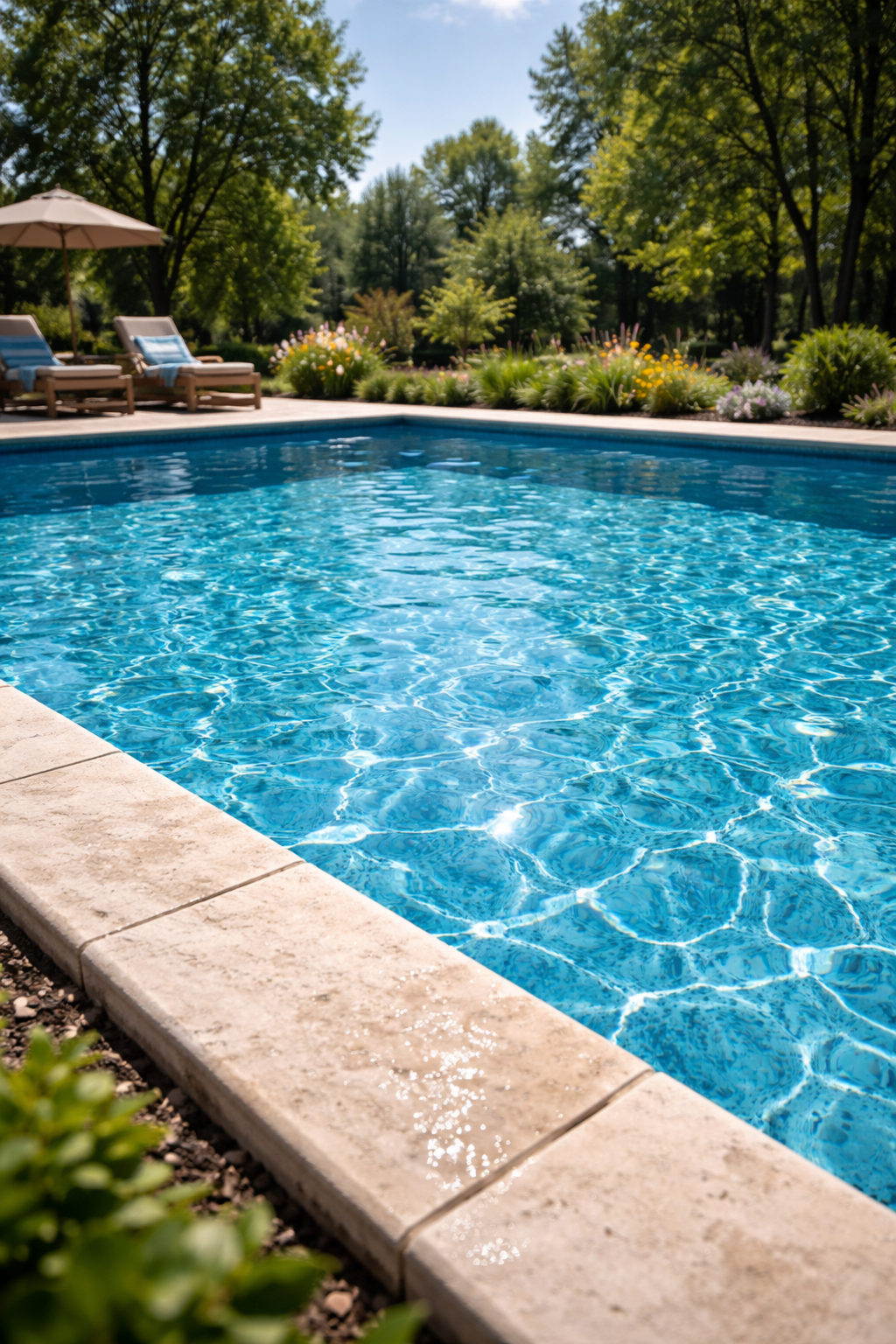
How Pool Clarifiers Work: Turning Cloudy Water Crystal Clear If you've ever looked at your backyard pool and seen a hazy appearance instead of sparkling blue water, you're not alone. Cloudy pool water is one of the most common issues pool owners face, often caused by tiny suspended particles like dust, pollen, body oils, sunscreen residues, dead algae, or fine debris that are too small for your filter to catch on their own. That's where pool clarifiers come in — a simple, effective chemical treatment designed to restore clarity without draining the pool or resorting to more aggressive methods. But how exactly do they work? Let's break it down step by step. What Causes Cloudy Pool Water? Before diving into clarifiers, it's helpful to understand the problem. Pool filters (whether sand, cartridge, or DE) are great at trapping larger debris, but particles smaller than about 20-40 microns often slip right through. These microscopic bits stay suspended, scattering light and giving the water that frustrating cloudy look. Regular shocking, balancing chemicals, and filtration help, but sometimes you need a little extra help to group those particles together. The Science Behind Pool Clarifiers Pool clarifiers are typically liquid or concentrated polymer-based products (often cationic polyelectrolytes). Here's the key mechanism: Charge Attraction : Most suspended particles in pool water carry a negative electrical charge. Clarifiers introduce positively charged ions (cations) that act like tiny magnets. Coagulation and Flocculation : The positive charges attract and bind to the negatively charged particles. This causes the tiny bits to stick together, forming larger clumps or "flocs." (This process is called coagulation when particles first cluster, and flocculation when those clusters grow bigger.) Filter Capture : These now-larger particles are much easier for your pool's filter to trap during normal circulation. Over the next 24-72 hours (depending on your filter type, pump run time, and severity of cloudiness), the filter removes the clumped debris, leaving the water noticeably clearer. Unlike algaecides or oxidizers that kill or destroy contaminants, clarifiers don't eliminate particles — they simply make them filterable. That's why good circulation and backwashing/cleaning your filter afterward is essential. Clarifier vs. Flocculant: What's the Difference? People often confuse clarifiers with flocculants (or "floc"), but they serve similar purposes with key differences: Clarifiers → Work slowly over days. The clumps stay suspended long enough to be filtered out during regular operation. No extra vacuuming needed — just run the pump/filter longer. Flocculants → Act much faster (often within hours). They create heavy flocs that sink quickly to the pool floor, requiring you to vacuum the sediment to waste (bypassing the filter). Great for severe cloudiness, but more labor-intensive. Clarifiers are the "set it and forget it" option for mild to moderate haze, while flocculants are the heavy-duty, quick-fix choice. How to Use Pool Clarifier Effectively Test and balance your pool chemistry first (pH 7.2-7.6, alkalinity 80-120 ppm, etc.) — clarifiers work best in properly balanced water. Shake the bottle well and add the recommended dose based on your pool size (usually poured directly into the water with the pump running). Run your filter 24/7 for at least 48 hours. Clean or backwash the filter as it traps more debris. Avoid adding clarifier weekly as routine maintenance — it's for when water is visibly cloudy. Results can often be seen in 1-3 days, with full clarity in up to a week for stubborn cases. Benefits of Using a Clarifier Restores sparkle without harsh chemicals or draining. Improves filtration efficiency. Helps prevent recurring cloudiness by removing buildup. Safe for most pool types (vinyl liner, fiberglass, concrete) when used as directed. Final Thoughts Pool clarifiers are a straightforward, science-backed solution for one of summer's biggest frustrations: cloudy water. By leveraging simple electrostatic attraction and polymer chemistry, they turn microscopic troublemakers into filter-friendly clumps, letting your system do the heavy lifting. If your pool stays hazy despite good maintenance, give a quality clarifier a try — it's often the missing piece for that postcard-perfect swim. Have questions about your specific setup or water test results? Feel free to share more details!
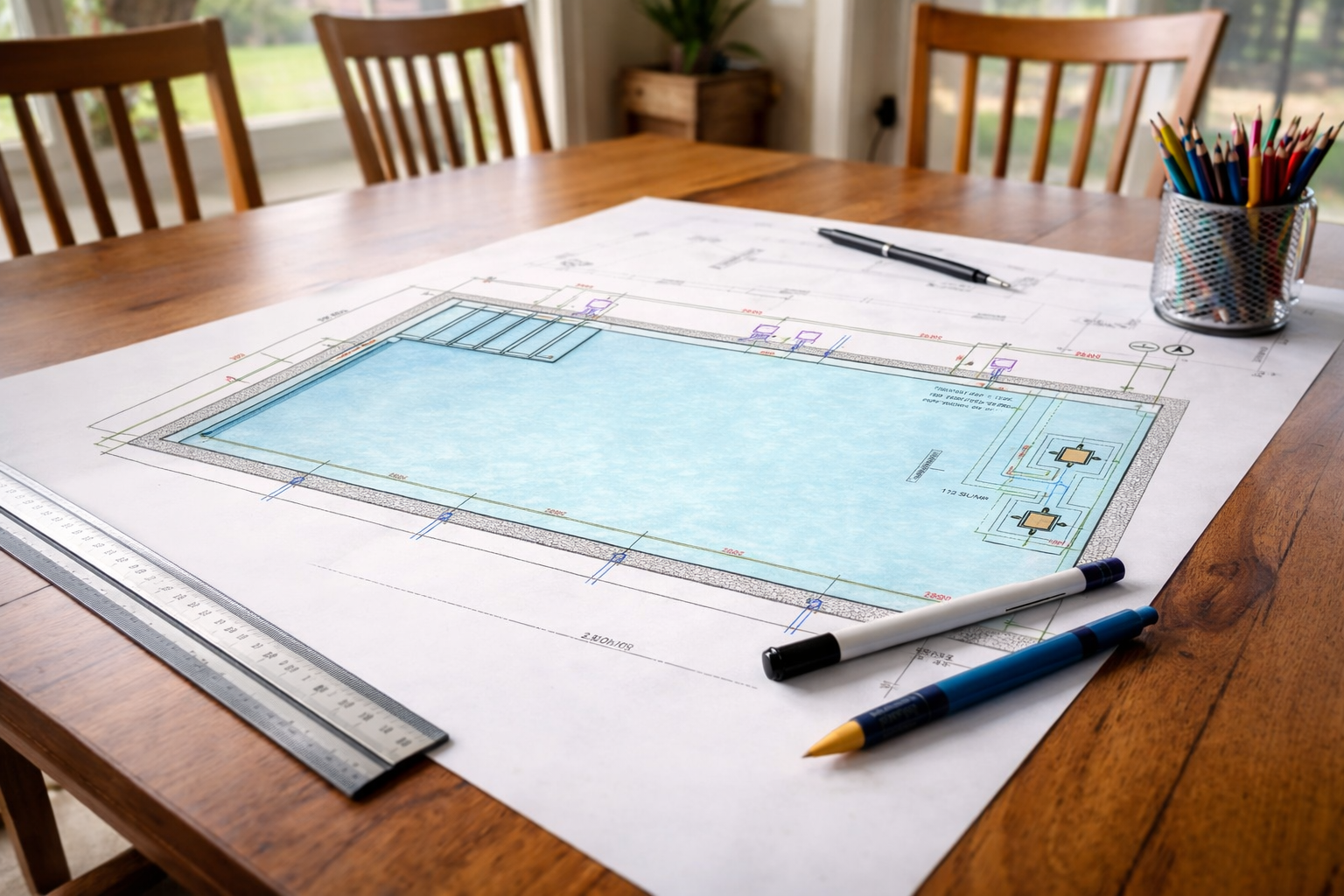
Building Your Dream Pool - Step by Step
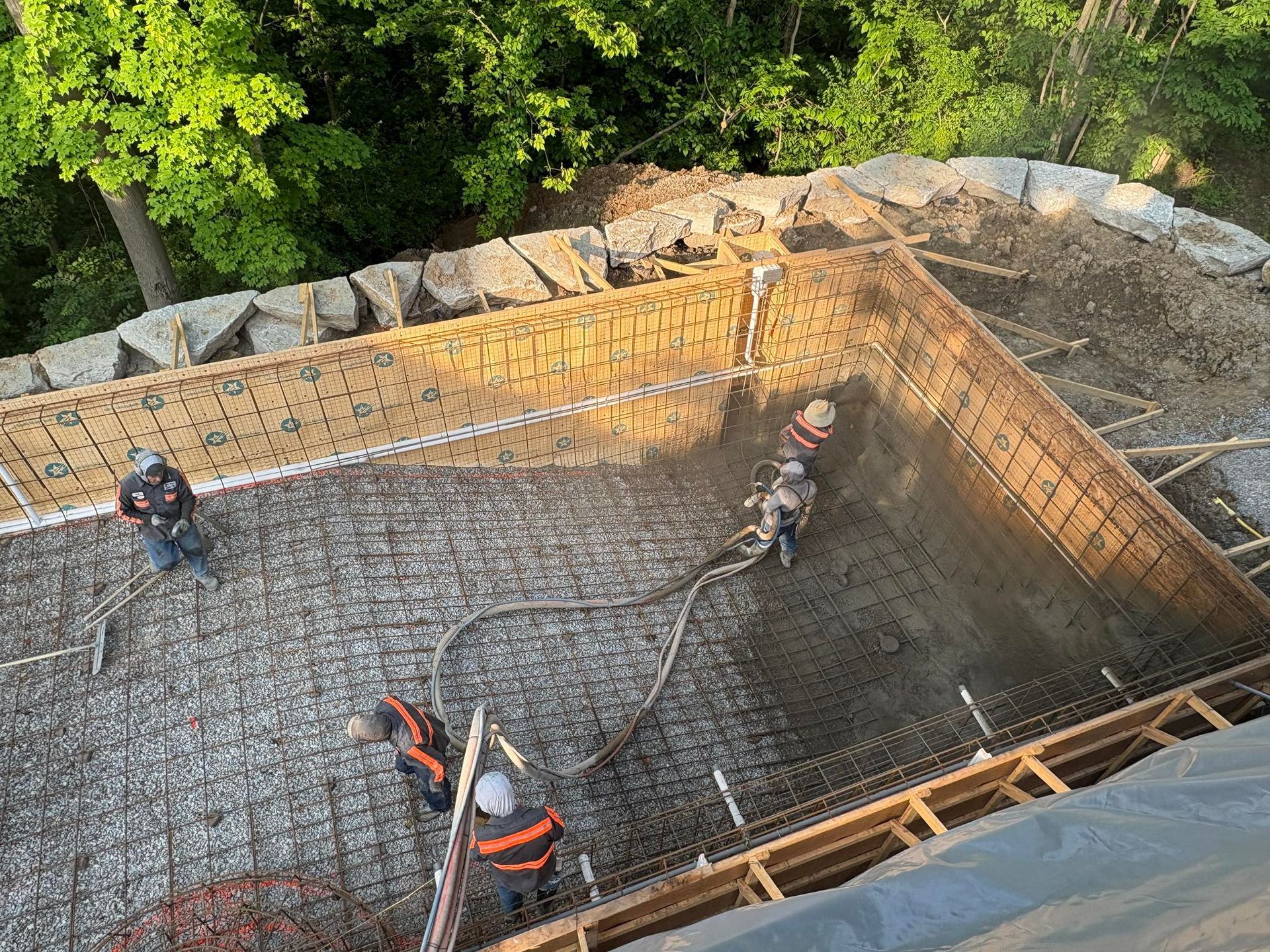
Gunite (concrete) pools have long been considered the gold standard for custom swimming pools. They offer unmatched design flexibility and a high-end look that many homeowners love. At the same time, gunite pools come with a different maintenance profile than fiberglass or vinyl—something every homeowner should understand before building. The Benefits of a Gunite Pool Gunite pools are often chosen because they allow for true customization. Unlike pre-molded pool shells, gunite can be formed into virtually any shape or size. Key benefits include: • Unlimited design flexibility (freeform, geometric, vanishing edges, beach entries) • Custom depths and transitions • Premium finishes like plaster, quartz, or pebble surfaces • Ability to incorporate water features, tanning ledges, benches, and spas seamlessly • A solid, permanent structure that many homeowners view as a long-term investment For properties with unique layouts or homeowners who want a one-of-a-kind pool, gunite is often the best solution. Understanding Gunite Pool Maintenance While gunite pools offer design freedom, they do require more routine maintenance than other pool types. Because concrete finishes are porous, they: • Require regular brushing to prevent algae buildup • Demand closer attention to water chemistry • Typically use more chemicals to maintain proper balance With proper care, gunite pools perform extremely well—but consistency is key. Surface Longevity and Resurfacing One important long-term consideration is the pool’s interior finish. Most plaster, quartz, or pebble surfaces last 10–15 years, depending on use, water chemistry, and maintenance. When the surface wears, replastering is necessary to: • Restore smoothness and appearance • Protect the pool shell • Maintain swimmer comfort This is a normal part of owning a gunite pool and should be planned for as part of long-term ownership. Water Chemistry and Professional Care Gunite pools are more sensitive to water balance than fiberglass. pH, calcium hardness, and alkalinity all play a role in protecting the surface. Many gunite owners choose: • Professional weekly service • Automated chemical systems • Seasonal inspections to extend surface life With the right setup and service plan, maintaining a gunite pool becomes predictable and manageable. Is a Gunite Pool Right for You? Gunite pools are an excellent choice for homeowners who: • Want a fully custom design • Value architectural detail and premium finishes • Are comfortable with a higher level of maintenance • Prefer a pool built specifically for their property At the same time, they may not be ideal for homeowners looking for the lowest-maintenance option available. Final Thoughts A gunite pool offers beauty, flexibility, and long-term value—but like any premium feature, it comes with responsibilities. Understanding both the benefits and maintenance requirements ensures you make the right decision from day one. If you’re considering a gunite pool—or already own one—working with a builder who installs and services gunite pools can make all the difference in performance and longevity.
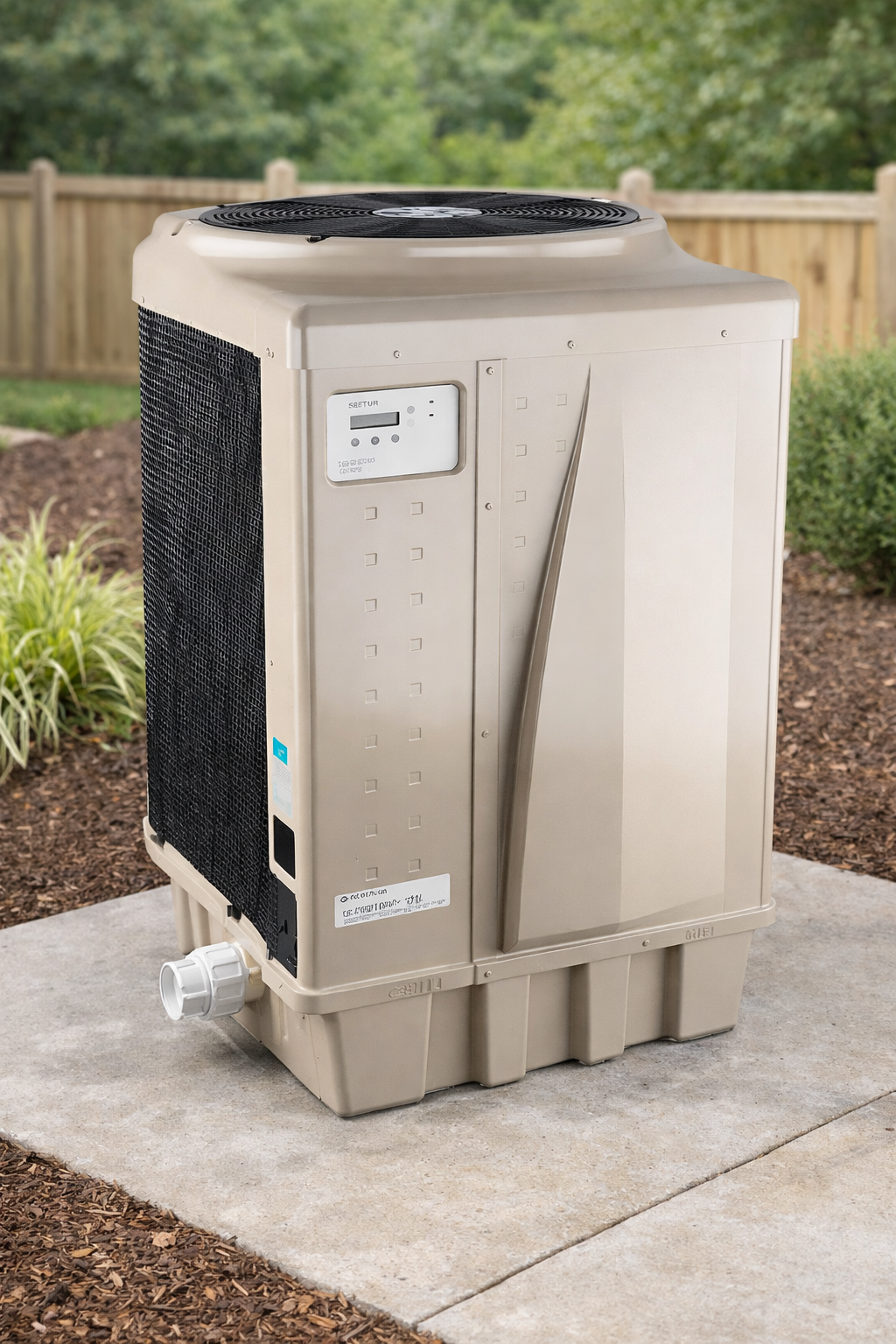
Why I Switched from a Gas Pool Heater to a Heat Pump Real-World Experience from My Own Pool By Josh Richey, Timber Ridge Pools For years, gas heaters were the go-to option for pool heating in our area — and they still have an important place. But this past season, I decided to switch my own personal pool from a traditional gas heater to a heat pump, and after living with it for a full season, I wanted to share some honest takeaways. This wasn’t a decision I made lightly, and it’s not a one-size-fits-all solution. Like most things in pool design, it comes down to how you actually use your pool. Why I Was Hesitant at First My biggest concern going into the switch was performance during spring and fall. Gas heaters are excellent at fast recovery. You can turn one on Friday and comfortably swim Saturday — even in cooler weather. A heat pump simply doesn’t work that way, especially here in north central Indiana. That concern is valid, and it’s important to be clear about expectations: A heat pump is not a quick, on-demand heat solution for early spring or late fall swimming. Why Heat Pumps Are Becoming More Popular Despite that hesitation, heat pumps have come a long way. In 2025, we sold more heat pumps than any prior year, and there’s a reason for that. Newer models are: Significantly more efficient More reliable than earlier generations Better suited for homeowners who swim regularly and plan ahead Once the season is underway and the pool is already warm, a heat pump does a great job maintaining comfortable water temperatures — and the operating cost savings over the season are noticeable compared to gas. Gas Heater vs Heat Pump — An Honest Comparison Gas heaters are still: Faster More consistent in colder weather Better for occasional, last-minute swimming Heat pumps make sense when: You swim frequently You’re maintaining temperature over longer stretches You’re focused on seasonal operating costs You understand it’s a gradual system, not instant heat Neither option is “better” across the board — it’s about matching the equipment to the use case. A Feature I Didn’t Expect to Love: Cooling One of my favorite features on certain heat pump models is something people don’t talk about enough: cooling. On those hot late-July days when pool water temperatures creep close to 90 degrees, the ability to actively cool the pool down a few degrees makes a big difference. It’s a small thing, but it’s incredibly useful during peak summer heat. Final Thoughts After a full season of real-world use, switching to a heat pump made sense for how we use our pool. That doesn’t mean it’s the right choice for everyone — and I still recommend gas heaters in plenty of situations. The key is understanding the tradeoffs and setting expectations correctly from the start. At Timber Ridge Pools, that’s how we approach equipment decisions — not just what looks good on paper, but what actually works in Midwest conditions over the long term. If you’re planning a pool or weighing heater options, I’m always happy to talk through the pros and cons based on real experience.
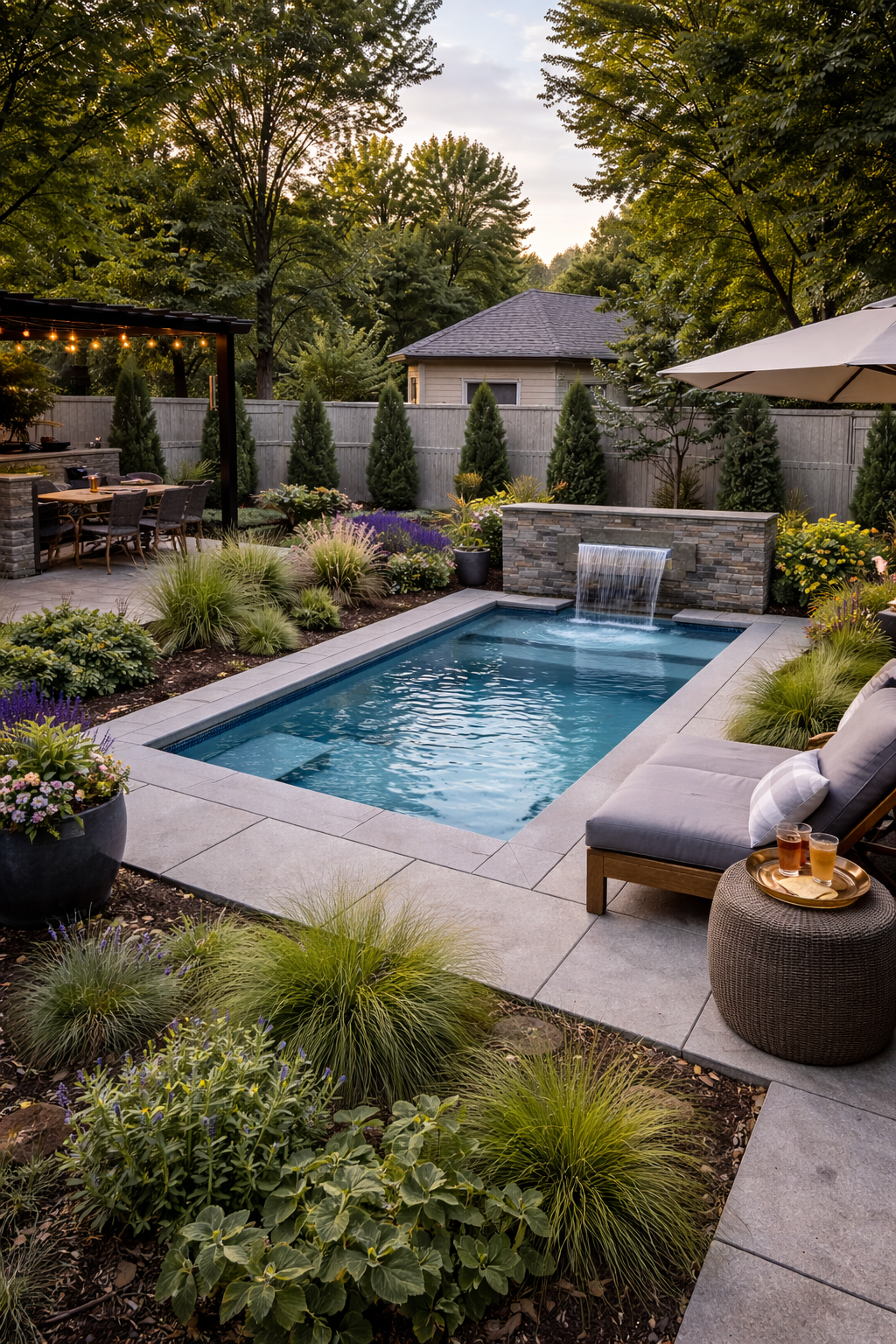
Backyard designs for any space A plunge pool is a compact swimming pool designed for cooling off, relaxing, and enjoying the water—without the footprint of a traditional full-size pool. As outdoor living spaces get more creative and lot sizes vary, plunge pools have become an increasingly popular option for homeowners who want the pool experience in a smaller, more efficient package. Defining a Plunge Pool Plunge pools are typically: Smaller in size than standard pools Deeper, emphasizing immersion over swimming laps Built for relaxation, hydrotherapy, and quick dips rather than games or exercise They’re ideal for tight yards, urban lots, courtyards, or homeowners who simply don’t need a large pool. Why Homeowners Choose Plunge Pools 1. Fits Where Others Can’t Plunge pools are perfect for properties with space constraints, setbacks, or unique layouts where a standard pool won’t work. 2. Lower Overall Investment Because they use less material, require less excavation, and often involve smaller decks, plunge pools usually come with a lower total project cost compared to larger pools. 3. Easier Maintenance Less water means: Fewer chemicals Faster heating Reduced ongoing maintenance 4. Modern, Clean Design Plunge pools pair especially well with contemporary outdoor designs—think clean lines, minimal decking, and integrated seating or tanning ledges. 5. Multi-Purpose Comfort Many plunge pools include: Built-in benches Tanning ledges Spa-style jets Heating or cooling options This makes them usable for relaxation almost year-round. What Plunge Pools Are Not It’s important to set expectations. A plunge pool is usually not ideal for: Swimming laps Pool volleyball or large groups High-energy play for lots of kids at once For homeowners who prioritize activity space, a larger pool may be the better choice. Construction Options Plunge pools can be built using: Fiberglass (pre-manufactured shells, fast installation) Concrete (gunite) (fully custom shapes and finishes) Vinyl liner (flexible sizing and softer feel) Each option has its own benefits depending on budget, timeline, and desired look. Is a Plunge Pool Right for You? A plunge pool may be the perfect fit if you: Have limited backyard space Want a pool primarily for cooling off and relaxing Prefer a modern, low-maintenance solution Plan to pair your pool with patios, fire features, or outdoor kitchens Final Thoughts Plunge pools prove that bigger isn’t always better. With the right design, a smaller pool can deliver just as much enjoyment—sometimes more—while fitting seamlessly into your outdoor living space. If you’re considering a plunge pool, working with a builder who understands layout, circulation, and long-term usability is key to getting the most out of a compact design.
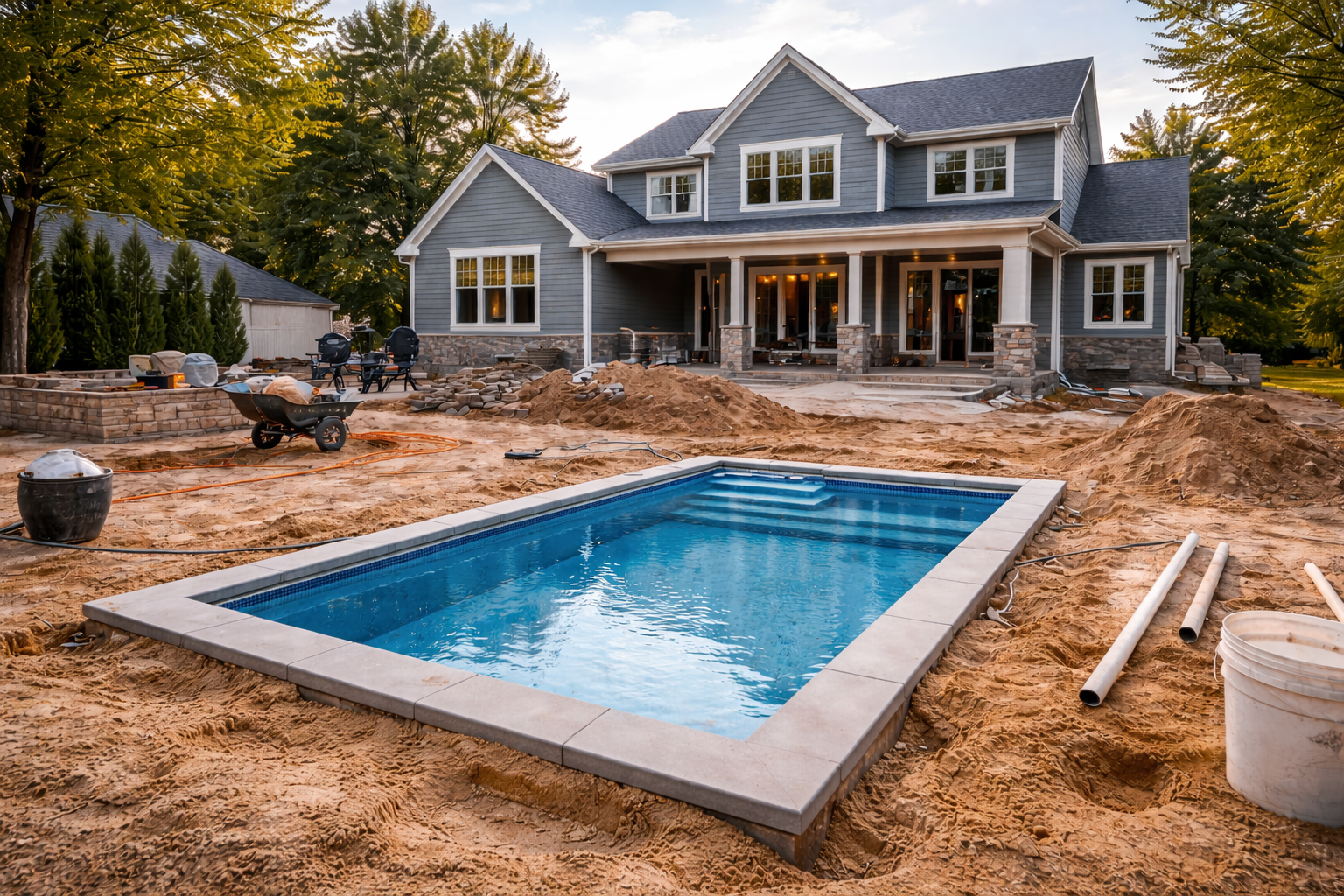
Why Building a Custom Pool Is a Lot Like Building a Custom Home One of the most common questions we hear is: “Why can two pools that are the same size have very different prices?” The best way to understand this is to compare a pool project to building a custom home. Two homes can have the same square footage and similar layouts, yet end up with very different final prices, quality levels, and long-term value. The same is absolutely true with custom swimming pools. Square Footage Is Just the Starting Point When building a home, square footage gives you a baseline—but it doesn’t tell you anything about: Structural materials Mechanical systems Finish quality Builder standards A pool works the same way. A 16’ × 32’ pool is only a footprint. What matters most is how it’s built, what it’s built with, and what’s buried underground. Material Quality: Not All Steel or Fiberglass Is Equal This is where pool construction mirrors home framing and foundations. Steel & Structural Reinforcement Some builders use lighter-gauge steel or minimal reinforcement to reduce cost. Others use heavier steel schedules, better spacing, and more robust engineering. On paper, both pools may look identical. In reality, the long-term structural integrity can be very different. Fiberglass Pool Shells The same concept applies to fiberglass pools. Some manufacturers offer thin shells with limited warranties Others engineer thicker, multi-layer shells and back them with lifetime structural warranties That warranty difference matters. It reflects confidence in materials, manufacturing process, and long-term performance—not just marketing. Warranties Tell You a Lot About Build Quality In home construction, strong warranties usually signal higher-quality materials and better construction practices. Pools are no different. Short vs Lifetime Warranties Many pool builders install: Steel or fiberglass components with short, limited warranties Products that shift responsibility back to the homeowner after only a few years Other manufacturers—and builders who choose them—offer: Lifetime structural warranties on steel or fiberglass Long-term coverage that protects homeowners well beyond installation While lifetime-warranty products often cost more upfront, they typically deliver better long-term value and peace of mind. Underground Plumbing: The Part You’ll Never See (Until It Fails) This is one of the biggest differences between entry-level and high-quality pool builds. Minimal Plumbing vs Redundant Systems Some builders: Use the bare minimum plumbing Run fewer lines to save labor and material cost Skip redundancy entirely Others design pools with: Redundant plumbing lines Larger-diameter pipe for better flow Dedicated lines for skimmers, drains, and features Thoughtful layouts that improve circulation and serviceability Just like electrical or plumbing systems in a house, this infrastructure affects performance, reliability, and future repair options. When plumbing is buried correctly the first time, it often never needs to be touched again. When it isn’t, repairs can be disruptive and expensive. Systems Matter Just Like Mechanical Systems in a Home In a house, no one expects a budget HVAC system to perform like a premium one. Pools are no different. Equipment choices impact: Energy efficiency Ease of maintenance Longevity Automation and control options Two pools of the same size can perform very differently depending on the quality of pumps, filters, heaters, and controls installed. Customization Adds Complexity—and Value Just like a custom home, pools become more complex as they become more personalized. Features that change pricing include: Depth transitions Tanning ledges and built-in seating Water features and lighting Decking materials and layout Integration with patios, kitchens, and fire features Each choice adds value—but also requires proper engineering and execution. The Builder’s Standards Matter More Than the Blueprint Two homes built from the same plans can feel completely different depending on the builder. The same is true with pools. A builder’s standards determine: Material selection Structural reinforcement Plumbing layout Equipment quality Attention to long-term performance This is why comparing pool quotes line by line is often misleading. The real differences are usually hidden beneath the surface. Final Thoughts Building a custom pool is not a commodity purchase—it’s a construction project, much like building a custom home. Square footage may be the same, but: Material quality Warranty protection Plumbing design System choices Craftsmanship …can dramatically change the final cost, performance, and long-term value. Understanding these differences helps homeowners make better comparisons—and ultimately choose a pool that performs as well years down the road as it does on day one.
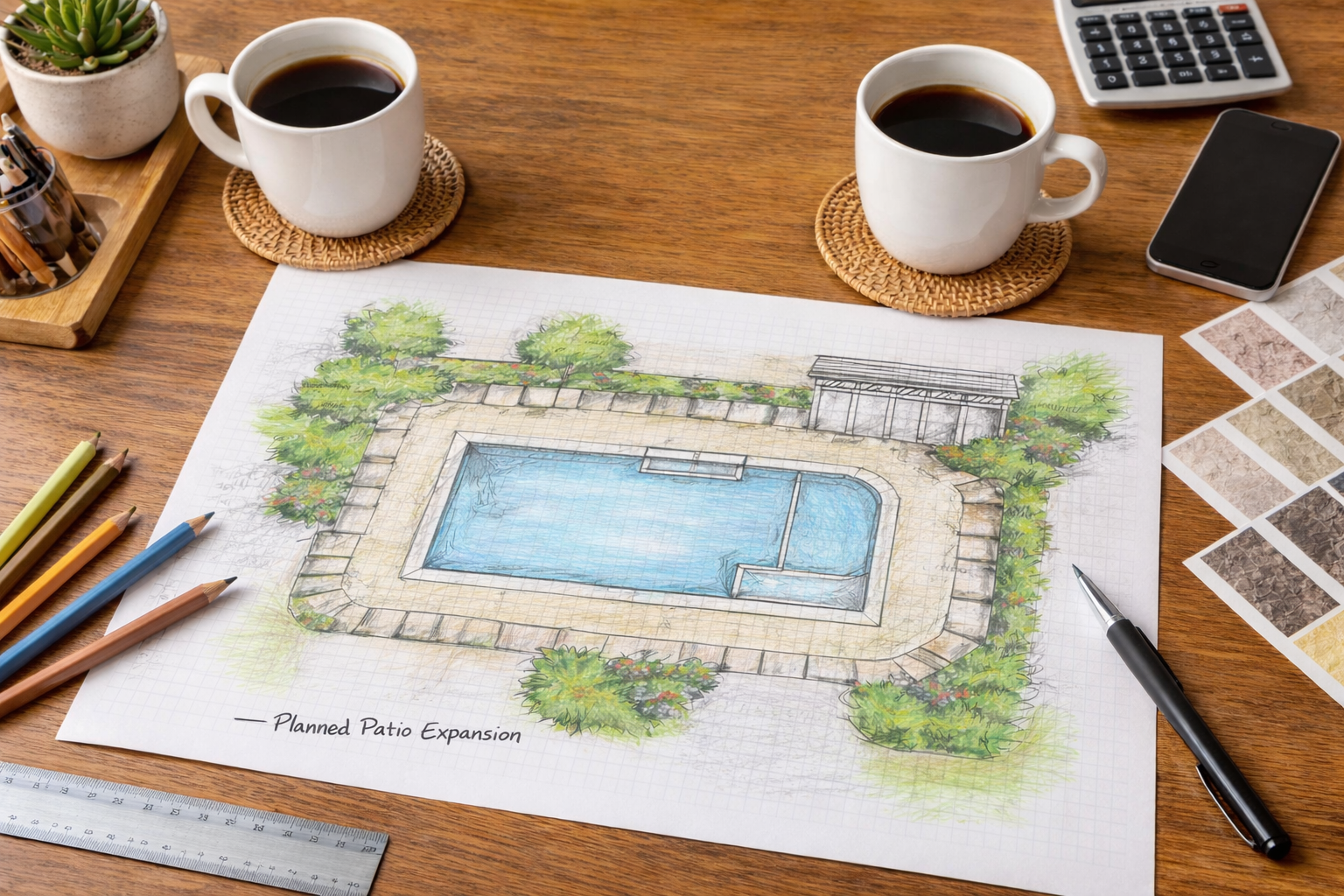
Successful planning
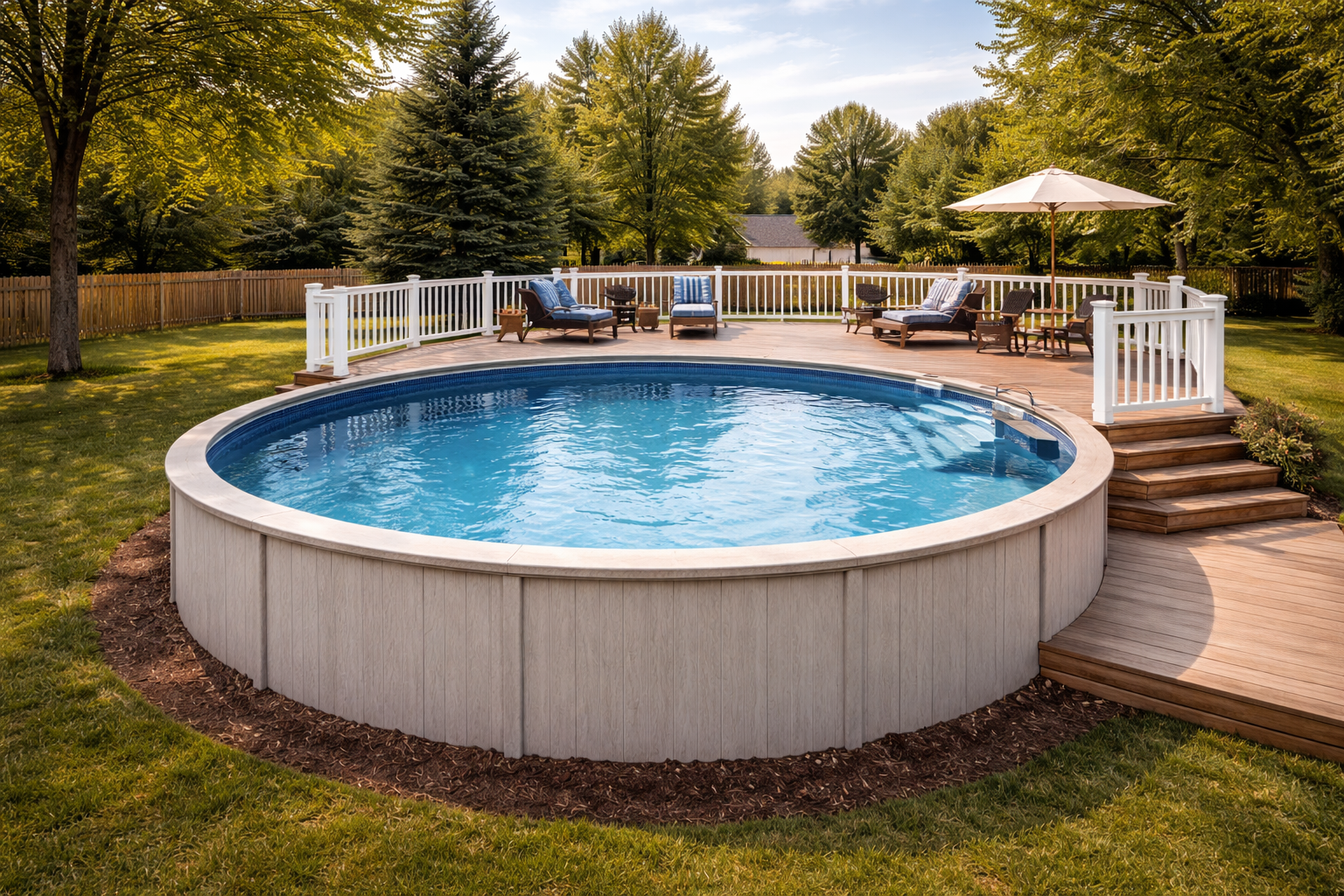
When it comes to swimming pools, one of the biggest decisions you'll have to make is whether to go with an in-ground or above-ground pool. Both types of pools have their own unique advantages and disadvantages, and the one that's right for you will depend on your specific needs and preferences. In-ground Pools In-ground pools are the most common type of pool and are typically the most expensive option. They are built into the ground and can be made from a variety of materials, such as concrete, fiberglass, or vinyl. In-ground pools offer a number of advantages, including: Customization: In-ground pools can be customized to fit any size or shape of backyard, and can be designed to suit a wide variety of tastes and styles. Durability: In-ground pools are typically more durable than above-ground pools, and can last for decades with proper maintenance. Resale value: In-ground pools can add significant value to a home, making them a wise investment in the long run. Safety: In-ground pools are typically considered to be safer than above-ground pools, as they are less likely to collapse. Above-ground Pools Above-ground pools are less expensive than in-ground pools, but they also tend to be smaller and less durable. They are built on top of the ground and are typically made of metal, plastic, or resin. Above-ground pools offer a number of advantages, including: Affordability: Above-ground pools are typically less expensive than in-ground pools, making them a more affordable option for many homeowners. Portability: Above-ground pools can be taken down and moved to a different location if needed, making them a more flexible option. Easy to install: Above-ground pools are typically easier to install than in-ground pools, and can be set up in a matter of days. Ultimately, the choice between an in-ground or above-ground pool will depend on your budget, the size of your backyard, and your specific needs and preferences. It's important to weigh the pros and cons of each type of pool and consult with a professional to help you make an informed decision.
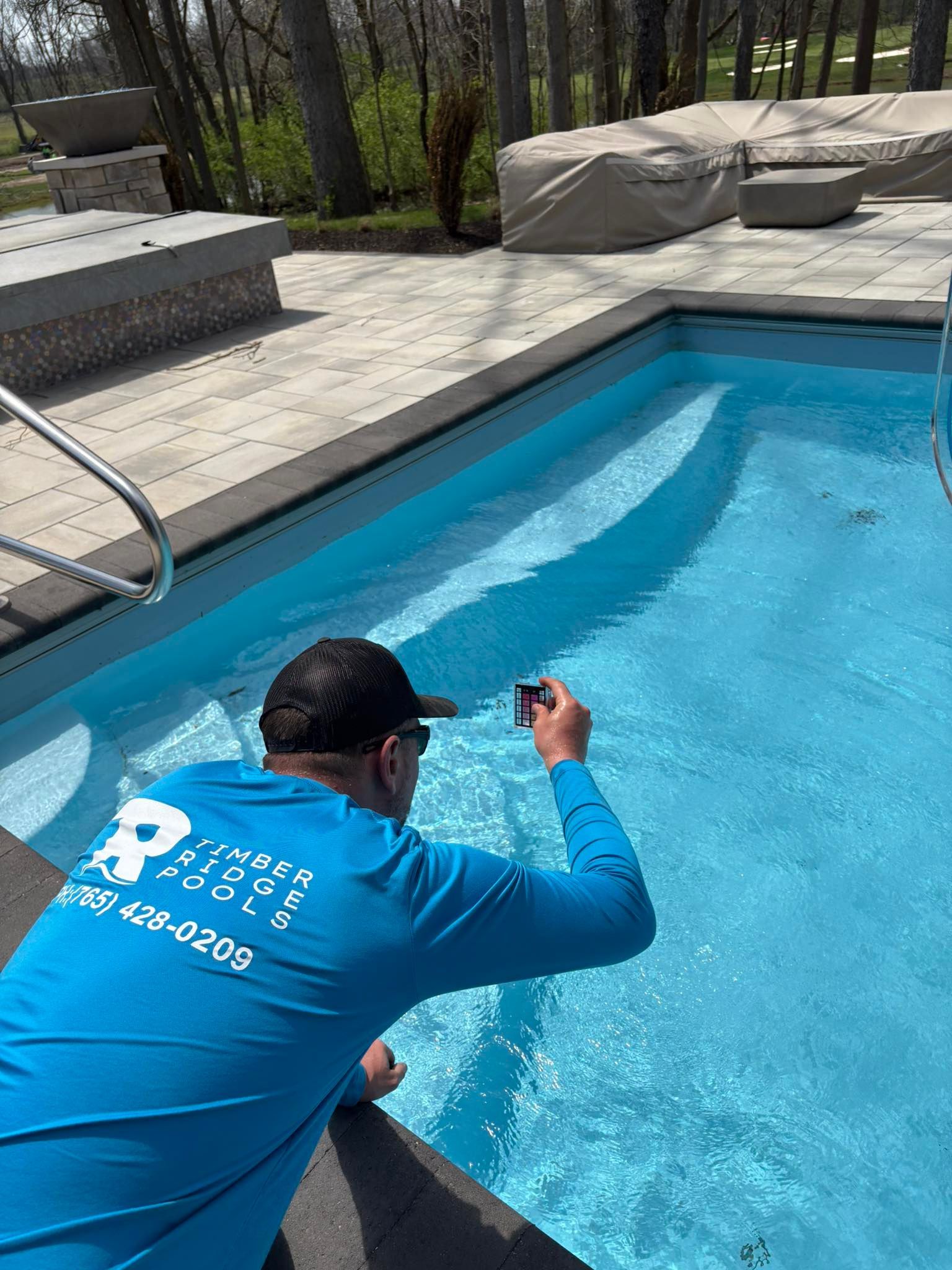
As the flowers begin to bloom and the temperatures rise, thoughts of leisurely days by the pool start to fill our minds. However, before you can dive into the refreshing waters of summer, it's essential to ensure that your pool is ready for the season ahead. Early spring pool inspections offer numerous benefits that not only ensure a smooth start to the season but also help maintain the longevity and safety of your pool. Let's explore why scheduling a pool inspection early in the spring is a wise decision for every pool owner. 1. Identify and Address Issues Promptly: Early spring pool inspections provide an opportunity to identify and address any potential issues before they escalate into major problems. From leaks and cracks to equipment malfunctions and safety hazards, a thorough inspection allows trained professionals to detect and rectify issues promptly, saving you time, money, and stress in the long run. 2. Ensure Proper Functionality: A well-functioning pool is essential for enjoying a seamless swimming experience throughout the season. Early inspections allow technicians to assess the condition of your pool's equipment, including pumps, filters, heaters, and automated systems, ensuring that everything is operating efficiently and effectively. Addressing any maintenance or repair needs early on helps prevent unexpected breakdowns and ensures uninterrupted enjoyment of your pool. 3. Maintain Water Quality and Balance: Proper water chemistry is vital for maintaining a safe and healthy swimming environment. During a spring pool inspection, professionals will test the water quality and assess the balance of chemicals such as chlorine, pH, alkalinity, and calcium hardness. By addressing any imbalances or issues with water chemistry early on, you can prevent algae growth, bacterial contamination, and other water-related problems, ensuring crystal-clear water that is safe for swimming. 4. Extend the Lifespan of Your Pool: Regular inspections and proactive maintenance play a significant role in extending the lifespan of your pool and its components. By identifying and addressing potential issues early, you can prevent premature wear and tear, deterioration, and damage, ultimately prolonging the life of your pool and saving on costly repairs or replacements down the line. 5. Enhance Safety and Compliance: Safety should always be a top priority when it comes to pool ownership. Early spring inspections allow professionals to assess the safety features of your pool, including fencing, gates, ladders, handrails, and pool covers. Ensuring that these safety measures are in place and functioning properly helps prevent accidents and ensures compliance with local regulations and safety standards. Conclusion: As you prepare to make a splash this spring, don't overlook the importance of scheduling a comprehensive pool inspection. From identifying and addressing issues promptly to ensuring proper functionality, maintaining water quality, extending the lifespan of your pool, and enhancing safety, early inspections offer numerous benefits that contribute to a smooth and enjoyable swimming season. Contact us today to schedule your spring pool inspection and take the first step towards a summer filled with fun, relaxation, and peace of mind.
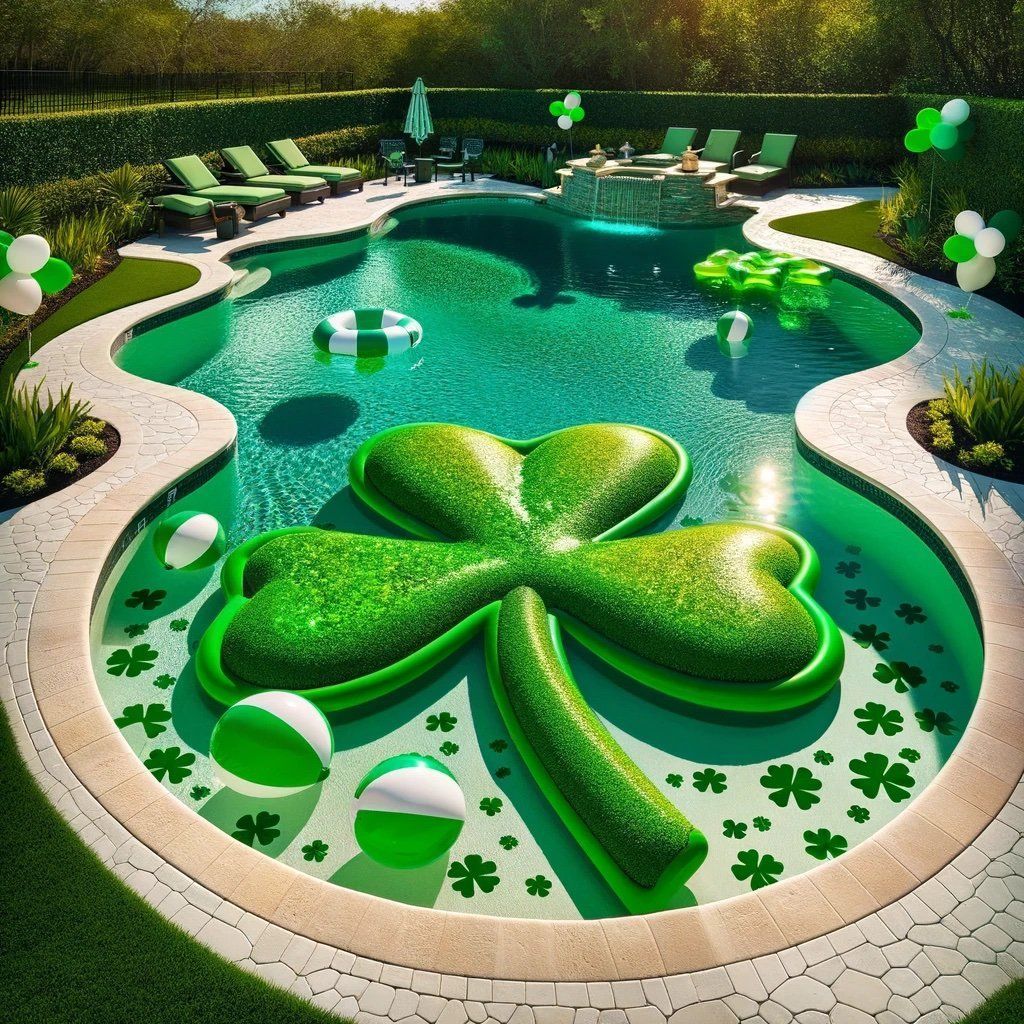
Once upon a time, the folk at Timber Ridge Pools were known far and wide for their sparkling blue waters. It was the sort of blue that made you think of tropical islands and cloudless skies. That was, until, one peculiar Saint Patrick's Day morning when they discovered their famous pools had turned a brilliant shade of green overnight! At first, they suspected the usual culprits: algae, a prank, or perhaps a filter malfunction. They tested the pH levels, scrubbed the tiles, and checked the equipment, but everything was as it should be, except for the color, of course. Now, Timber Ridge had an employee named Seamus, who fancied himself a bit of a detective. Seamus had a hunch. He remembered tales from his Irish grandmother about the mischiefs of leprechauns—little bearded fellows who were known for their love of gold and pranks. "It’s Saint Paddy’s Day," he mused, "and what better prank than turning pools into, Joel’s favorite, oversized shamrock shakes?" With a glint of determination in his eye, Seamus set a trap. He spread out shiny new coins around the pools that night, knowing well the allure of gold to a leprechaun. As dawn approached, Seamus, hidden behind a bush, heard a faint giggle. A twinkle of green caught his eye as a tiny leprechaun emerged. Dressed in green with a hat that matched the pool, he was dancing a jig more merrily than Seamus had ever seen anyone dance. The leprechaun skipped from coin to coin, his pockets jingling with each step. But before he could pocket the last coin, the leprechaun froze, sensing Seamus’s presence. With a knowing wink, he said, "Ah, ye’ve caught me fair and square. But I’ll tell ye a secret for the return of me gold. It’s me and me kin who turn yer pools green every March. Just a wee bit of leprechaun magic, for the love of Saint Patrick!" Seamus couldn’t help but laugh. "And how do we keep our pools blue?" he asked. The leprechaun pondered for a moment and then replied, "A promise that ye’ll honor the spirit of Ireland, not just on Saint Patrick’s, but all year round." Agreeing to the terms, Seamus and the leprechaun shook hands. With a snap of the leprechaun’s fingers, the pool water sparkled blue once more. And from that day forward, Timber Ridge Pools became a haven for those who loved the Irish spirit, hosting céilís and serving the best emerald-hued lemonades. And as for the leprechauns, they still visit every year, but instead of turning the water green, they leave behind a golden coin or two, just for good luck and to remind the folks at Timber Ridge Pools of the little bit of magic they share.